VINTAGE POINT: Kids will (still) be kids

2016-04-15 18.18.58

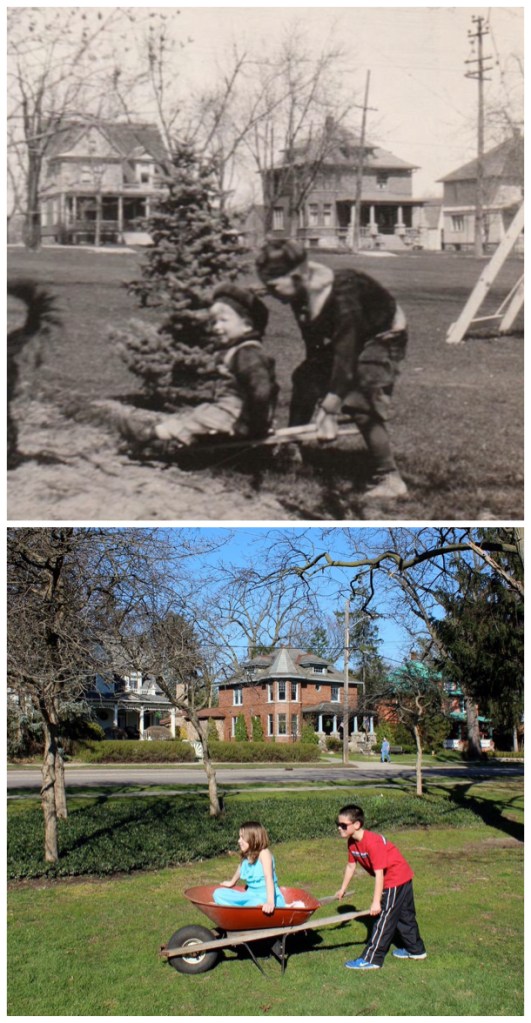
Times may change, but kids will still be kids. Here, Liam and Sophie Stacey of Farmington pose on the front lawn of the Governor Warner Mansion, where Warner’s grandson William Slocum (top photo, at left) and a friend once played in April 1924. Across Grand River, the streetscape remains largely unchanged.

Historic photo from the Farmington Community Library Heritage Collection. Contemporary photo by Maria Taylor.

VINTAGE POINT is Preservation Farmington’s photo column, featuring an exclusive focus on Farmington history: a look at our city through the lens of time. Look for Vintage Point every other week in the Farmington Observer and Farmington Voice and on our Facebook and Twitter pages. We’ll also keep an archive of all past issues on our website under the Vintage Point tab.

Posted in Vintage Point | Tagged , , , , , | Leave a comment

VINTAGE POINT: Houses on Oakland

2016-04-05 20.35.09

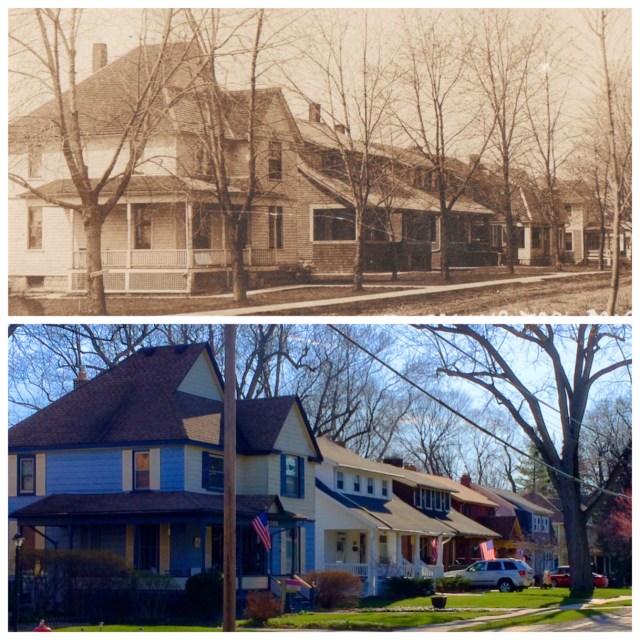
While not part of the Farmington Historic District, these circa 1910 houses on Oakland (south of Grand River, two blocks west of downtown) still show a clear throwback to their original style.

Historic photo from the Farmington Community Library Heritage Collection. Contemporary photo by Maria Taylor.

VINTAGE POINT is Preservation Farmington’s photo column, featuring an exclusive focus on Farmington history: a look at our city through the lens of time. Look for Vintage Point every other week in the Farmington Observer and Farmington Voice and on our Facebook and Twitter pages. We’ll also keep an archive of all past issues on our website under the Vintage Point tab.

Posted in Vintage Point | Tagged , , , , | 1 Comment

VINTAGE POINT: The Pierce house

IMG_1308

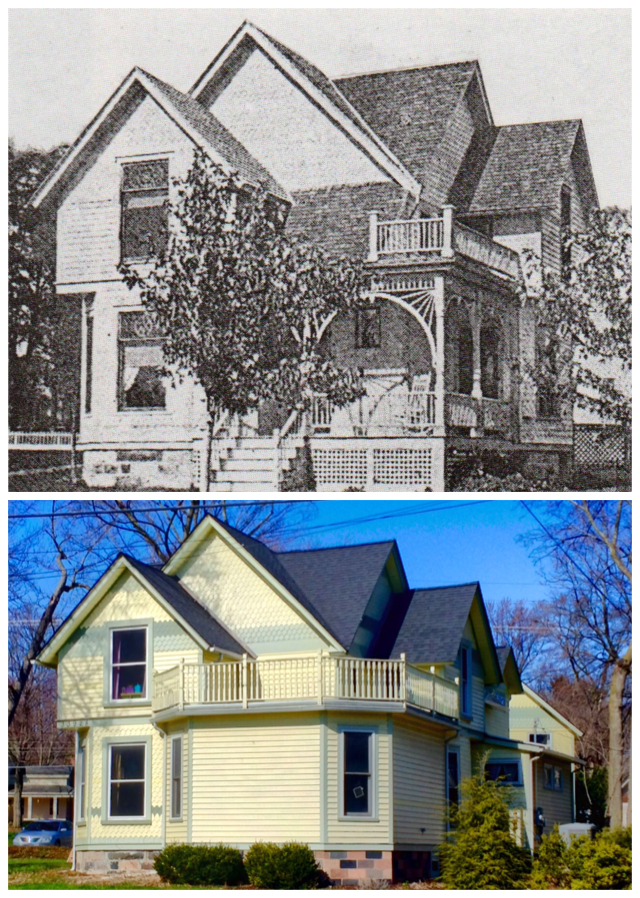
This 1894 house at 33928 Grand River was once home to M.B. and
Ernestine Pierce. He was a barber. She was a member of the Ladies’
Literary Club.

Historic photo from the Farmington Community Library Heritage Collection. Contemporary photo by Maria Taylor.

VINTAGE POINT is Preservation Farmington’s photo column, featuring an exclusive focus on Farmington history: a look at our city through the lens of time. Look for Vintage Point every other week in the Farmington Observer and Farmington Voice and on our Facebook and Twitter pages. We’ll also keep an archive of all past issues on our website under the Vintage Point tab.

Posted in Vintage Point | Tagged , , , , | 1 Comment

Practical Preservation: Energy Efficiency in the Old House

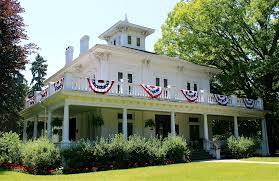
warner mansionHave you ever noticed the belvedere on top of the historic Governor Warner Mansion? The second floor stairway that seems to lead nowhere actually leads to a hatch door and then up into that tiny, boxlike room. In the summer, the hatch and the belvedere windows can be opened to draw hot air up and out of the house.

Old houses were built with many such features to maximize energy efficiency. Granted, early-20th-century cooling strategies—such as belvederes, operable windows, and strategically-placed doors to allow air flow—might not live up to our current standards for comfort. However, many other features do.

And these energy efficiency measures can help lower utility bills for any house, whether it is 100 years old, 10 years old, or somewhere in between.

Get an Energy Audit

Hiring an energy audit contractor is a good start for a comprehensive energy efficiency project. An energy audit will last two to three hours and cost a few hundred dollars, but is well worth the investment.

thermographic image

Both Consumers Energy and DTE have approved contractor lists on their websites, and offer a number of rebates associated with energy efficiency projects such as furnace tune-ups, air leak sealing, and insulation.

During an energy audit, the contractor will ask about your energy usage patterns and examine your utility bills, usually a year’s worth. He or she will also perform several tests to locate where your house is losing air, and where it’s infiltrating from outdoors.

This work might include blower door tests, infrared camera testing, and furnace testing (such as duct pressure tests and flow hood tests).

Seal Air Leaks

When it comes to costly utility bills, air leaks and poor insulation are the two most common culprits. Any point on the exterior of your house where an interior system exits can be a source of heat loss—like chimney flues, dryer vents, and telephone, cable, electrical, and gas lines.
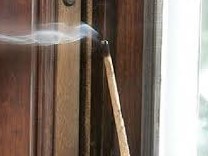
incense stick

There’s a simple DIY test for air leaks: On a windy day, light an incense stick and hold it in front of each opening on the indoor side of the exterior wall. Look for drifting smoke to identify leaks.

Most small openings, once found, can be filled with silicone caulk.

If you have a fireplace, close the damper when it’s not in use. During the spring and summer, a metal fireplace insert can help prevent cool air from vanishing up the chimney.

On the interior of your home, if you have a fireplace, always close the damper when your fireplace is not in use. During the spring and summer, use a metal fireplace insert for additional air loss prevention. Check all exposed ductwork for breaks and gaps, and seal with heat-proof tape where needed.

Insulate

Most houses built prior to 1940 were made with little to no insulation. A poorly insulated attic, as well as an attic hatch door, is often the greatest source of heat loss in a home. To counteract this, either batt or loose fill insulation can be put between joists to insulate an attic space. Cellulose, although most expensive, is most effective. For attic doors, add rigid insulation and weather-stripping to the back.

When selecting insulation, avoid urea-formaldehyde foam or cellulose treated with sulfates. Mixed with water, sulfates create sulfuric acid, which corrodes metal. Instead, choose insulation treated with boric acid, a fire retardant.

While you are in your attic, remember to check exposed ductwork for breaks and gaps, and seal with heat-proof tape where needed. You might also consider foam tube insulation for ductwork and pipes. It keeps your water hot and also helps prevent frozen pipes—plus, it’s inexpensive and easy to use.
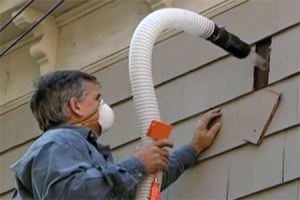
siding insulation

Wall insulation on an old house is rarely effective as an energy efficiency measure. Not only can it be costly to install, it also ruins some of the building’s original features in the process.

If it’s absolutely necessary to insulate the exterior walls, keep the damage to a minimum by drilling small fill holes either in or under the exterior siding, or drilling small, inconspicuous fill holes in interior walls.

If you’re concerned about moisture insulation, rather than heat, a vapor barrier can be easily created on the interior wall by using impermeable paint.

Finally, remember that where you have insulation, you must have ventilation. Make sure your roof has gable, soffit, or ridge vents. For exterior walls, siding can be lapped to allow ventilation, or concealed vents can be placed in interior walls.

Look at our resources page for more helpful links, and our workshops page for information on the energy efficiency workshop, to be held in late summer.

Posted in historic preservation, Practical Preservation | Tagged , , , | Leave a comment

VINTAGE POINT: Grand River blacksmith shop

2016-03-05 17.41.54

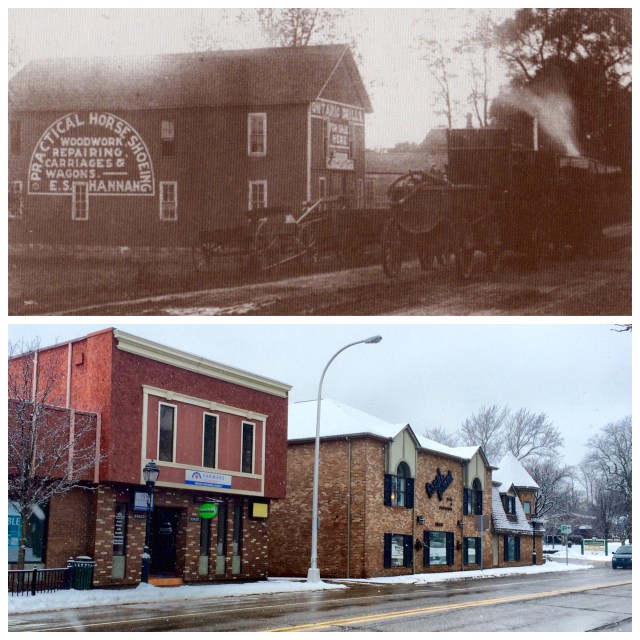
Around 1890, you could get your wagons repaired and horses reshod at the blacksmith shop on Grand River, just west of Farmington Road.

Historic photo from Farmington: A Pictorial History Photograph Collection by Brian Golden. Contemporary photo by Maria Taylor.

VINTAGE POINT is Preservation Farmington’s photo column, featuring an exclusive focus on Farmington history: a look at our city through the lens of time. Look for Vintage Point every other week in the Farmington Observer and Farmington Voice and on our Facebook and Twitter pages. We’ll also keep an archive of all past issues on our website under the Vintage Point tab.

Posted in Vintage Point | Tagged , , , | 1 Comment

Practical Preservation: Bringing Back Wood

craftsman windows

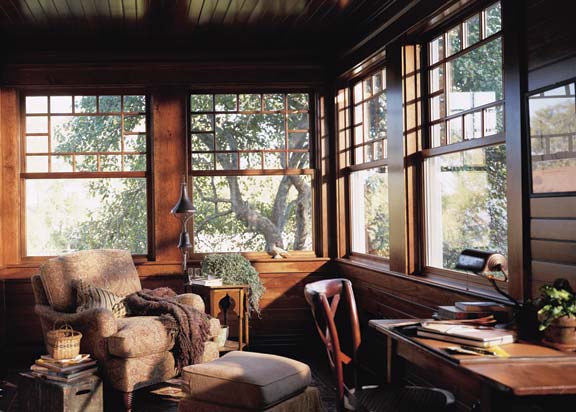
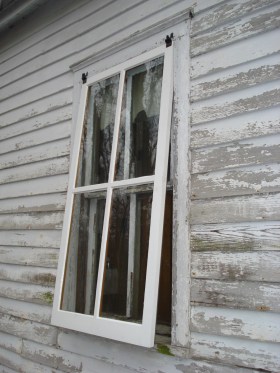
Is your old house cold and drafty…but your utility bills make it look like you’re heating our Masonic Temple downtown? If so, read on. The next two Practical Preservation articles will focus on energy efficiency and the historic house. Today’s column is about embracing your original wood windows. They’re beautiful, and yes, energy efficient, if you treat them right.

Character Building

Prior to mass production, windows were created by hand. The earliest homes in Farmington, dating from the first half of the 19th century, were built by the settler himself. The wood in these homes was felled on that property, and the house was built by the settler—plus, potentially, his family and neighbors. Their work can’t be replicated on a production line.

Or take the original windows still found on some of our beloved Victorian-era Queen Anne homes. At that time, the windows and trim were often some of the most decorative features of a home. Until World War II brought the need for fast, cheap home building, much of the construction of a house was highly individualized.

Pretty, yes. But are these beautiful windows really energy efficient? 

Pella Has Nothing on Old Growth Wood

Most houses of the late 19th century, and many from the early 20th century, were built with old growth wood. Today, virtually no old growth wood remains available for new construction in the United States. Instead, new lumber is grown quickly without the time needed to create the density of old growth.

The Environmental Protection Agency has a section of their website dedicated to energy efficiency and older homes. It notes that windows from homes built before 1950 are likely to have “valuable and now-scarce old growth wood which is denser, more rot- and warp-resistant, and holds paint better than modern, plantation-grown wood.”

The wood windows used in older homes were meant to stand the test of time. And, with proper care, they do.

The misperception that wood windows aren’t energy efficient was addressed by a 1996 study in Vermont, conducted by engineers from the University of Vermont, Vermont Energy Investment Corporation, and the U.S. Army Cold Regions Research and Engineering Laboratory.

The report—titled “Testing the Energy Performance of Wood Windows in Cold Climates”—analyzed the heating costs of wood windows before and after upgrades, such as installing weatherstripping, using storm windows, and sealing top sashes. In conclusion, the study found little difference in energy savings when comparing new windows to upgraded wooden windows. However, the cost difference in purchasing new windows is much greater than the cost of rehabilitating original wooden windows.

Adding Efficiency

A few basic steps can make a big difference in the life of wood windows.

Invest in Storm Windows

storm window

Storm windows can double a window’s efficiency, and insulated low-e glass in the storm can further optimize its thermal performance. Storm windows are most often used on the window exterior, but can be used on the interior as well. They can be purchased from home improvement stores if the window is a standard size or custom-made for those windows that are atypical.

“To be effective and compatible, storm windows must be tight fitting; include a sealing gasket around the glass; align with the meeting rail of the primary sash; match the color of the sash; and be caulked around the frame to reduce [air] infiltration.” (National Park Service Preservation Brief #3, Improving Energy Efficiency in Historic Buildings)

Add Weatherstripping

weatherstripping

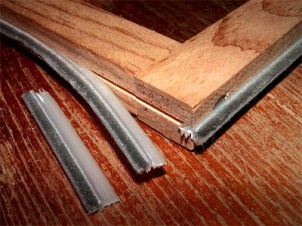
Weatherstripping comes in a variety of forms, depending on the window type. Foam, vinyl, and metal are typical materials, although felt can be used as well. The weatherstripping is applied to the perimeter of the window sash, generally in the form of a compression barrier when the window is closed.


Keep Up with Routine Maintenance

sashcord

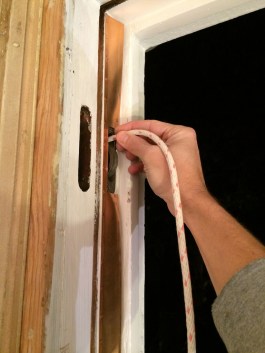
Routine maintenance includes interior and exterior paint removal, sash or frame repair, reglazing when necessary and repainting, according to the Preservation Brief #9 (The Repair of Historic Wooden Windows). Paint stripping and repainting should be done every five to ten years if quality paint and primer is used.  Wood window sashes and frames should be monitored for repair needs. Extended exposure to sitting water on exterior sills can quickly lead to wood rot and need for repair. By keeping them properly painted, the life of your windows is greatly extended.

Need Help?

Window rehab can be undertaken by contractors in the Metro Detroit area, or as a DIY home repair project. (If this strikes your interest, take note: Preservation Farmington will be hosting a one-day, hands-on wood window rehab workshop this May or June.)

See our resources page for area window rehabilitation contractors.

-by Jena Stacey

Posted in historic preservation, Practical Preservation | Tagged , , , , , , | Leave a comment

Learn All About Advocacy

Michigan Historic Preservation Network’s Historic Preservation Advocacy Day on March 23rd in Lansing has become more relevant than ever in the last few weeks. With Representative Chris Afendoulis from Grand Rapids trying to push through House Bill 5232, which would drastically reduce the ability of local communities to protect their historic resources, we should all attend this day of learning to better advocate for Michigan history.

The day-long workshop kicks off with an update on current issues pertinent to historic preservation. A late addition to the list includes HB5232. The day will also feature meetings with both state representatives and state senators. Legislative Advocacy 101 teaches attendees about the basics of advocacy.

The workshop takes place in the Christman Building in Lansing. Cost is $45 per person, and you must be registered by March 18th.

For a detailed description of the schedule, go to MHPN Historic Preservation Advocacy Day.

Posted in Uncategorized | Leave a comment

Preservation Workshops, Lecture Series Coming to Farmington

If you live in a historic district, or even in an older house, chances are that you’re there because you love the character, the atmosphere, and the ambience of a home from days gone by. As the saying goes, “They don’t make them like that anymore.”

At the same time, you’ve likely found that maintaining an older house can be a labor of love—especially if you’re dedicated to taking care of the unique features that give the house its historic appeal.

Take, for example, wooden windows. Back in the early 1900s, when many of Farmington’s historic district homes were built, there was no calling up Anderson Windows to place an order. Instead, each window frame would be made specifically to fit its opening, and would often be custom installed. Of course, no wood can remain in perfect condition forever, just as no vinyl or fiberglass can, either. After a hundred years, it’s bound to need some help. As with many historic home repairs, the question inevitably comes up: Repair, or replace?

How to repair old windows is the kickoff topic for Preservation Farmington’s new hands-on workshop series, aimed at helping owners of historic homes—and anyone else who’s interested—learn the basic skills for DIY historic house repair.

DTTR203_double-hung-window-center-stop-removal_s4x3.jpg.rend.hgtvcom.1280.960

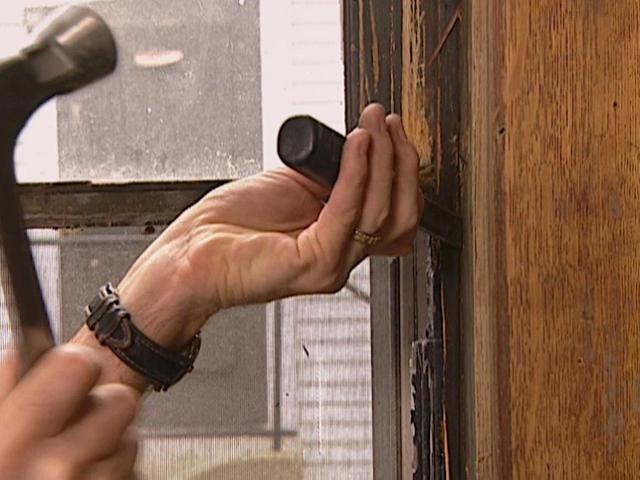
The one-day workshop, set for late May or early June 2016, will be held at one of the homes in the Farmington historic district, and taught by an expert with the Michigan Historic Preservation Network. Participants will have the opportunity to work on the actual windows original to the house, from removal of the window to stripping it, reglazing it, and repairing cords.

Two more workshops, later in the year, are slated to cover energy efficiency for historic homes and plaster repair. No experience is required for any of the sessions.

Also in the works is a history-related lecture series, aimed at a popular audience of history enthusiasts across the greater Farmington area. Topics will include caring for antiques, researching your historic home, and a photographic peek into the streets of Farmington’s past. More details, including tentative dates and pricing, will be posted at our Workshops and Events tab.

–by Jena Stacey

Posted in historic preservation, Practical Preservation | Tagged , , , , , , | Leave a comment

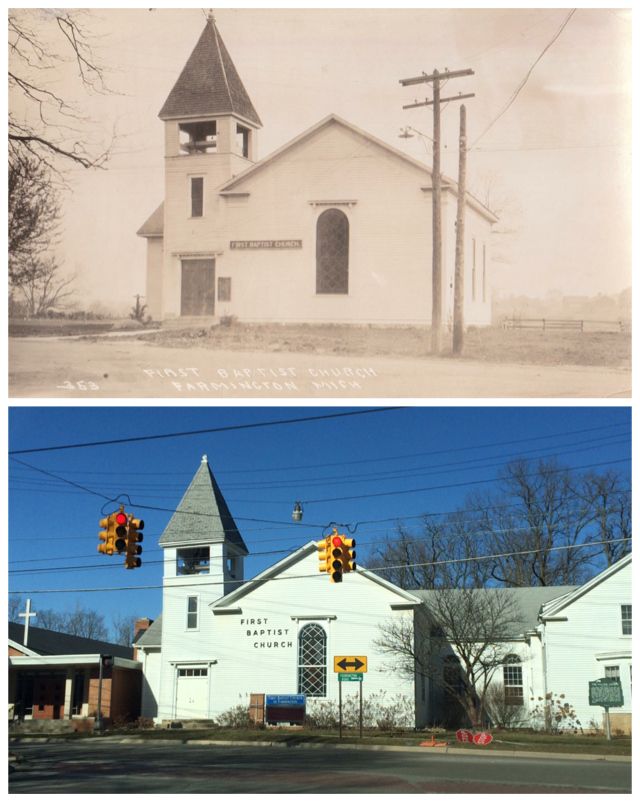
VINTAGE POINT: First Baptist Church

IMG_0978

Farmington’s First Baptist Church, at Farmington Road and Shiawassee, was built in 1861 at a cost of $1,680. The intersection had been the main four corners of town until the 1850s, when Grand River became part of the stagecoach line—and the downtown moved south, to its current location.

33400 Shiawassee, Farmington

Historic photo from the Farmington Community Library Heritage Collection. Contemporary photo by Maria Taylor.

VINTAGE POINT is Preservation Farmington’s photo column, featuring an exclusive focus on Farmington history: a look at our city through the lens of time. Look for Vintage Point every other week in the Farmington Observer and Farmington Voice and on our Facebook and Twitter pages. We’ll also keep an archive of all past issues on our website under the Vintage Point tab.

Posted in Vintage Point | Tagged , , , , , , , | 1 Comment

#SaveYourHD in the News

Note: As of 4/26/2016, the bill has been thrown out by the House Committee on Local Government. It may or may not be reassigned to another committee. We will continue to update this page as the issue plays out across the media.

The fight to save Michigan’s historic districts is on.

City councils are passing resolutions that protest House Bill 5232 and Senate Bill 720–two identical bills, currently under consideration by legislative committee, that would gut, destroy, and virtually eliminate historic districts in Michigan. Historical commissions and history organizations are speaking out across the state–and across the nation.

We’re maintaining an updated list of all the news coverage supporting the issue. Read what everyone’s saying…then sign the email petition to add your voice.

Posted in #SaveYourHD, historic preservation | Tagged , , , | 2 Comments